What Is a Private Building Inspector in Florida?
Key Takeaways
- A private building inspector in Florida is authorized under FL Statute 553.791 to perform building inspections as a legal alternative to the building department
- Private building inspectors can handle all major inspection types: framing, roofing, HVAC, electrical, plumbing, pool, and final inspections
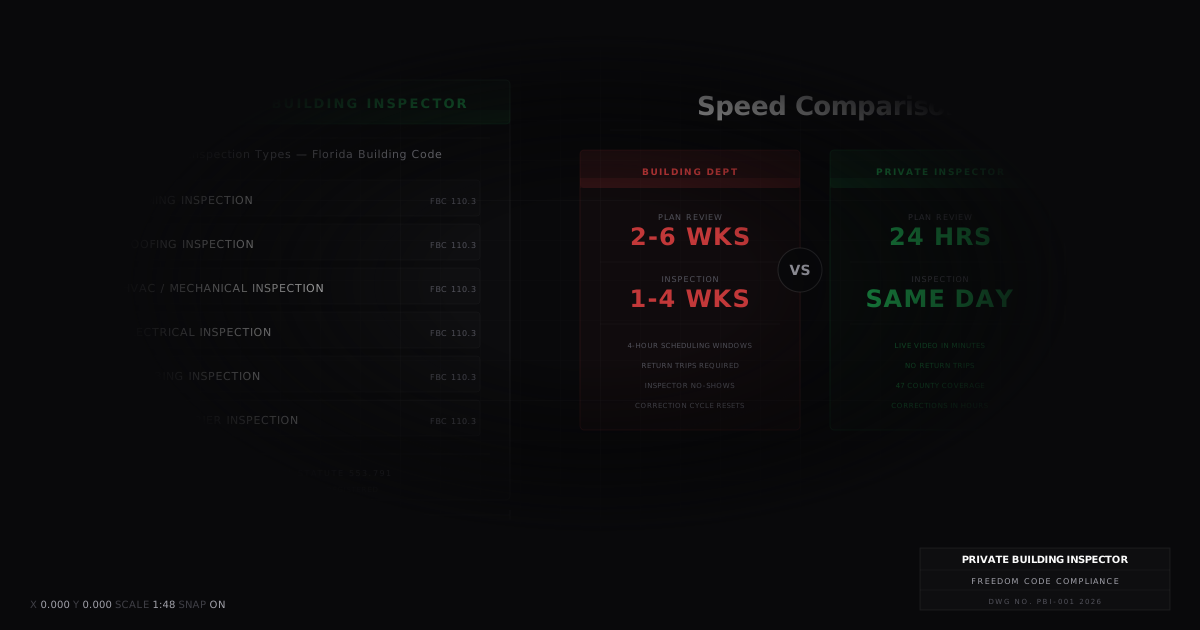
- The primary advantage is speed — same-day results vs. 2-4 week building department scheduling windows
- Building departments are required by law to accept private building inspector results and Certificates of Compliance
- FCC covers 47 Florida counties with 150+ building department registrations as a licensed private building inspector
What is a private building inspector in Florida?
A private building inspector in Florida is a licensed professional authorized under Florida Statute 553.791 to perform building code inspections as a legal alternative to the local building department. Private building inspectors hold the same state licenses as government inspectors and evaluate work against the same Florida Building Code. The difference is speed: private building inspectors deliver same-day inspection results instead of the multi-week scheduling delays common at county building departments.
A private building inspector in Florida is a licensed professional authorized under Florida Statute 553.791 to perform building code inspections as a legal alternative to the local building department. They hold the same state licenses, evaluate work against the same Florida Building Code, and their results carry the same legal weight.
The difference is speed. A private building inspector delivers same-day results. The building department takes weeks.
What Florida Statute 553.791 Authorizes
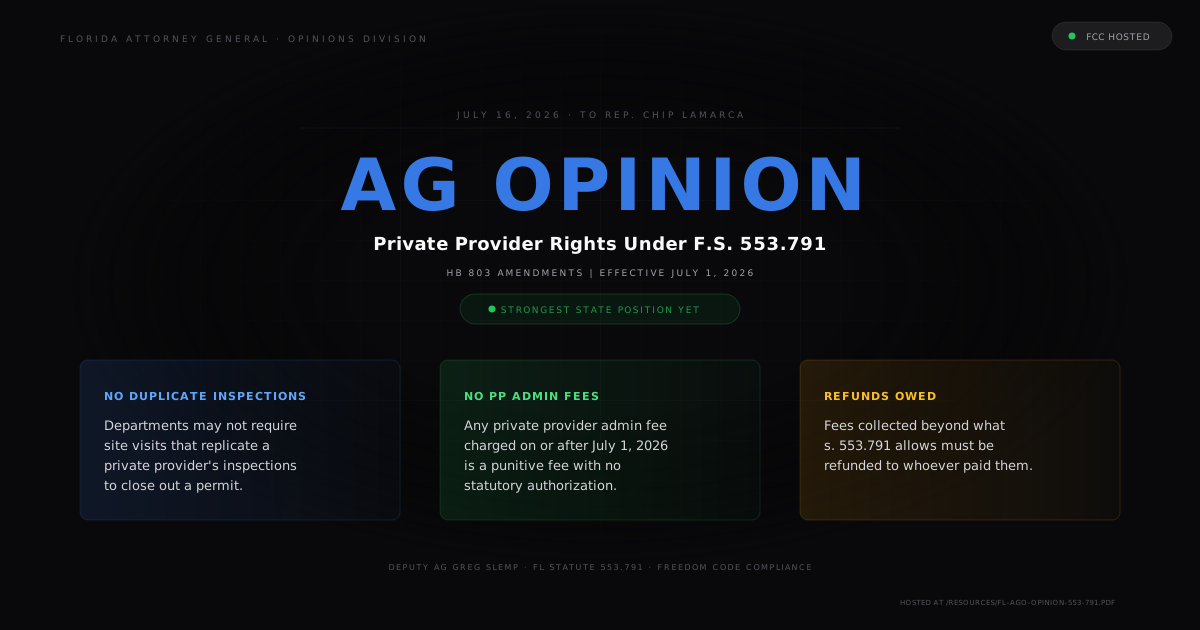
Florida Statute 553.791 — the Private Provider statute — has been law since 2002. It gives property owners the legal right to hire a private building inspector for plan reviews and building inspections instead of using the local building department. Building departments are required by law to accept private building inspector results and the Certificate of Compliance (COC) issued when all inspections pass.
This is not a workaround or a gray area. It is state law, and building departments across Florida process private provider inspections every day.
What a Private Building Inspector Can Inspect
A private building inspector in Florida can perform all major inspection types required by the Florida Building Code:
- Framing inspections — structural framing, headers, load paths, hurricane straps, and sheathing before walls close
- Roofing inspections — re-roofs, new roofing, underlayment, fastener patterns, flashing, and final roofing
- HVAC inspections — duct rough-in, equipment installation, refrigerant lines, and mechanical final
- Electrical inspections — rough-in wiring, panel installations, service upgrades, and electrical final
- Plumbing inspections — rough-in piping, water heater replacements, gas lines, backflow, and plumbing final
- Pool inspections — steel/rebar, underground plumbing, decking, barrier, and pool final
- Final inspections — the last inspection before the building department closes the permit
If a building department inspector can inspect it, a private building inspector can too. The scope is identical — only the timeline changes.
How a Private Building Inspector Differs from the Building Department
The code standards are the same. The licenses are the same. The legal authority is the same. What changes is how you get inspected:
| Building Department | Private Building Inspector | |
|---|---|---|
| Scheduling | Call to schedule; available slot in 1-4 weeks | Request inspection; results same day |
| Inspection window | "Morning" or "afternoon" — 4-hour block | Live video in minutes; offline results in 1-2 hours |
| Return trips | Required — drive back to the job site | None — virtual inspections from the site or your truck |
| Plan reviews | 2-6 weeks typical turnaround | 24-hour turnaround on residential |
| Results | Filed with building department by inspector | Filed with building department by private provider |
For contractors running multiple crews across multiple jurisdictions, this difference is measured in thousands of dollars and hundreds of hours per year.
How to Use a Private Building Inspector in Florida
The process is straightforward:
- Choose your private provider. FCC is registered in 47 Florida counties with 150+ building department registrations — including Pasco County, Pinellas, Hillsborough, Lee, Charlotte, Broward, and more.
- Submit plans for review (if required). FCC returns residential plan reviews in 24 hours on average.
- File the NTBO. FCC provides the completed Notice to Building Official (NTBO) as part of your plan review package. You file it — along with your permit application — with the building department. This notifies the county that a private provider is handling inspections on the project.
- Pull your permit through the building department as usual.
- Request inspections through FCC. Live virtual inspections connect you with a licensed inspector in minutes via video call. Offline inspections let you submit photos and video for results in 1-2 hours.
- FCC files results directly with the building department after each inspection.
- FCC issues the COC (Certificate of Compliance) when all inspections pass, and the building department closes the permit.
Who Uses Private Building Inspectors in Florida
Every type of Florida contractor uses private building inspectors to keep projects moving:
- Single-trade contractors — HVAC, roofing, plumbing, and electrical contractors who need fast turnaround on routine inspections and cannot afford to lose half a day waiting for the building department
- Home builders — residential builders running multiple homes simultaneously, where a single inspection delay cascades across the entire project schedule
- Commercial general contractors — large-scale projects with dozens of inspection milestones tied to payment schedules and completion deadlines
- Property owners — homeowners and commercial property owners who want faster inspection turnaround on renovations, additions, and improvements
If your work requires a building inspection in Florida, you have the legal right to use a private building inspector instead of the building department.
Get Started with FCC
FCC is one of Florida's largest private building inspection providers — 47 counties, 150+ building department registrations, and a team of licensed inspectors available for same-day virtual inspections statewide.
Apply to get started with FCC or call us directly. Real people answer the phone.
Frequently Asked Questions
Does a private building inspector replace the building department?
Not entirely. A private building inspector handles plan reviews and inspections, but you still pull your permit through the building department. The private building inspector sends inspection results directly to the building department and files the Certificate of Compliance (COC) when all inspections pass. The building department is required by Florida law to accept these results. Think of it as using a licensed alternative for the inspection process while the building department retains jurisdiction over permitting.
What license does a private building inspector need in Florida?
A private building inspector in Florida must hold a valid Florida license in the discipline they are inspecting — the same credentials required of building department inspectors. The private provider firm must also be registered with the Florida Building Commission and with each local building department where they perform inspections. FCC is registered in 47 Florida counties with over 150 building department registrations.
Can a private building inspector do commercial inspections?
Yes. Florida Statute 553.791 authorizes private building inspectors to perform both residential and commercial inspections. This includes commercial tenant buildouts, new commercial construction, multi-family projects, and industrial facilities. The same code standards apply — the private building inspector evaluates against the Florida Building Code regardless of project type.
How much does a private building inspector cost in Florida?
Private building inspector fees vary by project type, scope, and inspection type. Contact FCC directly for a quote on your specific project. Most contractors find the cost is offset by the time savings — eliminating return trips, avoiding multi-week scheduling delays, and keeping projects on schedule. When you factor in lost billable hours, fuel, and project delays from building department wait times, a private building inspector typically pays for itself on the first job.